Bonus
One shard's weight doubles. Nodes there earn roughly 1.8× for the hour, paid for by everyone else.
Run nodes on NEAR. Each one sits on a shard, wears out a little every hour, and earns $SHARD by the second while you keep it alive.
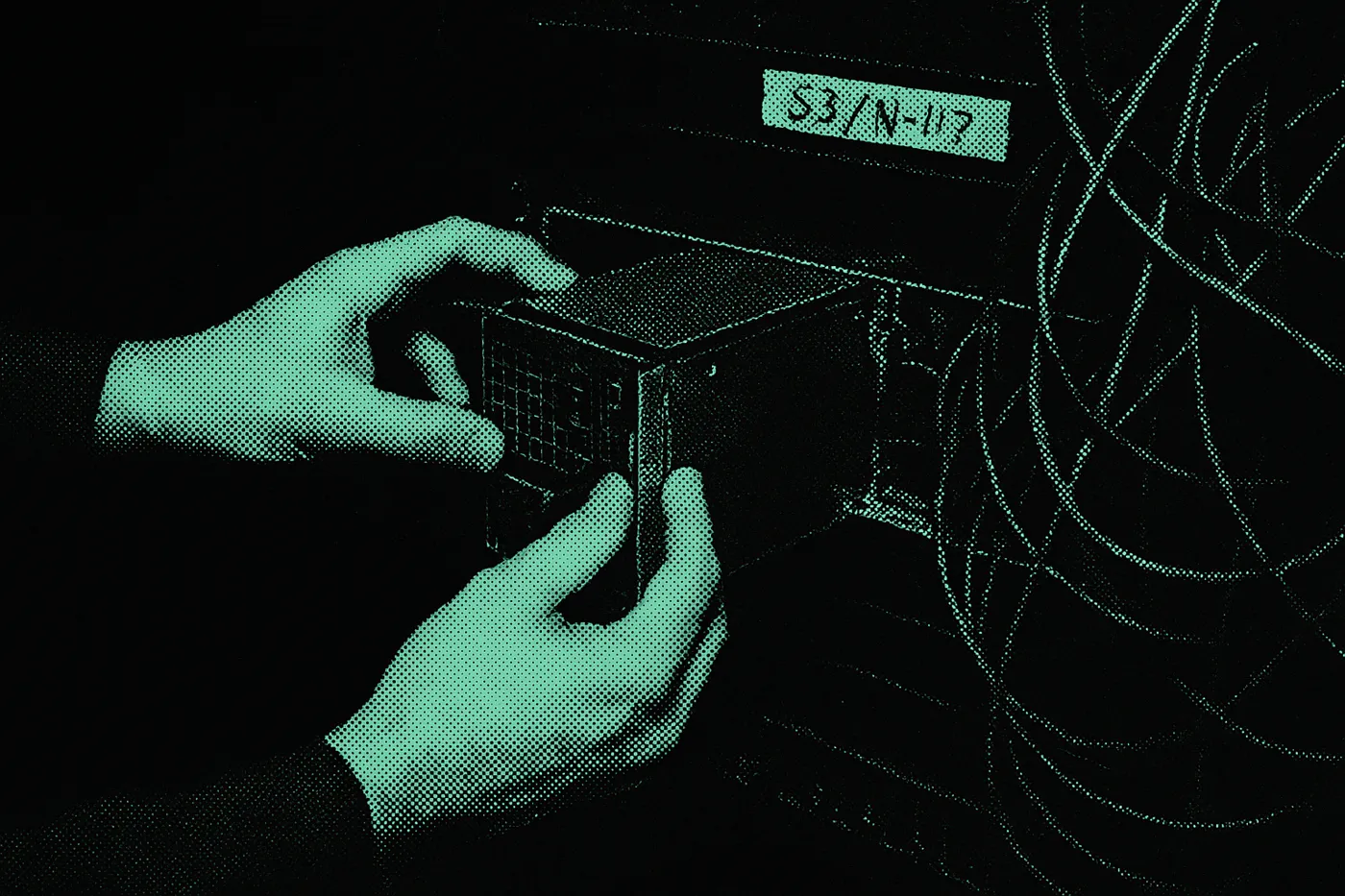
$SHARD is a fork of the idea behind $GPU, moved to NEAR and made to feel like a small hosting business. You buy hardware, choose where it lives, and decide when it's worth paying to keep it running.
Every node is an NFT (NEP-171). Bigger hardware earns more, but less than you'd think: rewards follow the square root of compute, so one rack is worth eight boards, not sixty-four.
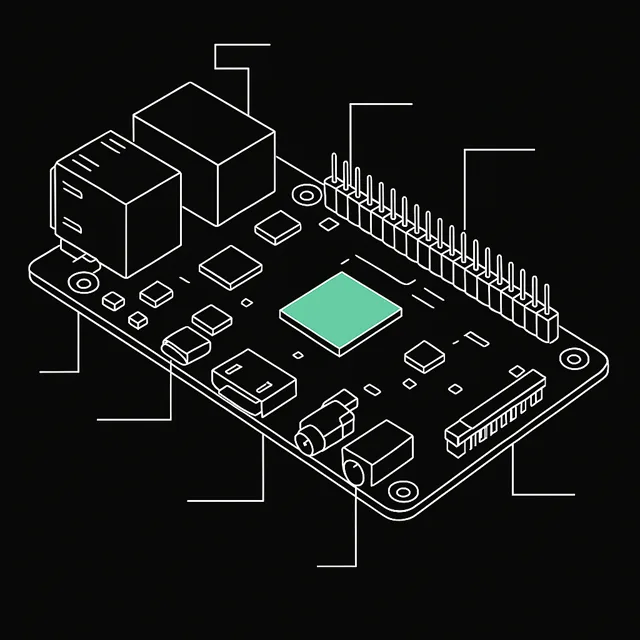 PISingle-board. A board on a shelf. Cheap to run, cheap to fix.1√1 = 15 NEAR3 days of rewards, min 500
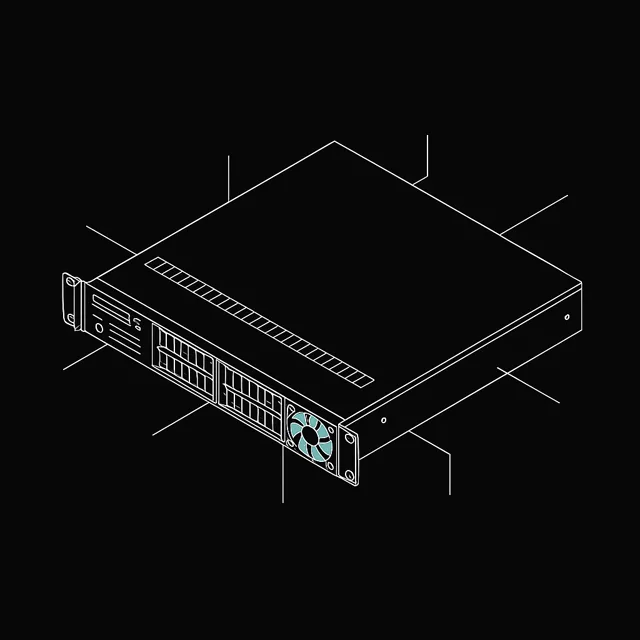 1URack server. Two fans, one job.4√4 = 218 NEAR3 days of rewards, min 1,000
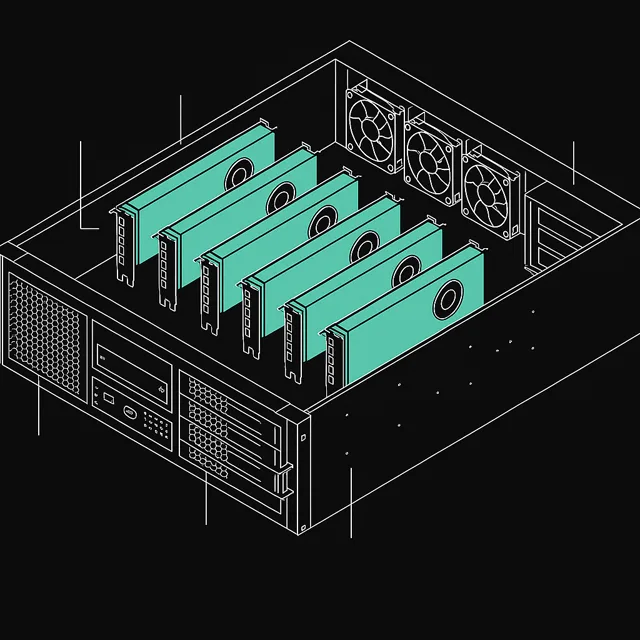 GPU-4UGPU chassis. Six cards and a noise complaint.16√16 = 460 NEAR3 days of rewards, min 2,000
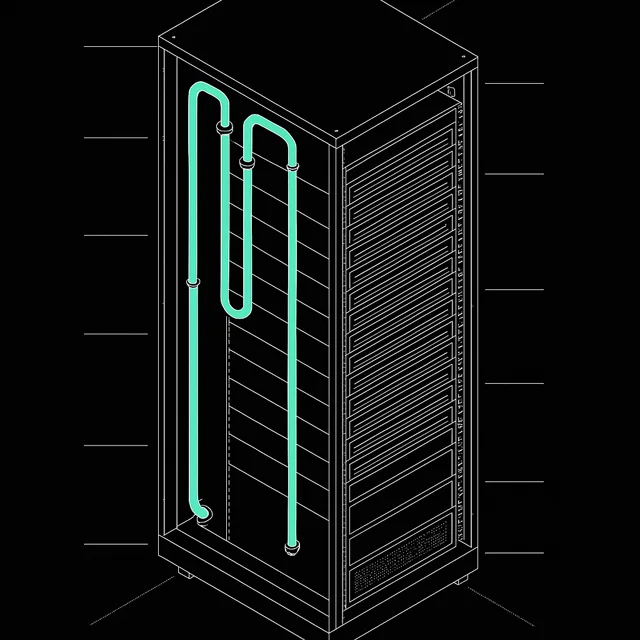 RACK-42UFull cabinet. Liquid-cooled. Costs the most to keep at 100%.64√64 = 8200 NEAR3 days of rewards, min 4,000
Mint is priced in NEAR. The contract also accepts an Ondo tokenized NVDA if one ever becomes holdable by a NEAR contract; today it isn't, so NEAR it is. Payments go to the treasury.
Emission is split evenly across the eight shards, then shared inside each shard by reward weight.
Once an hour, anyone can roll the network. The roll picks one of three things, or nothing, and it lasts until the next roll.
One shard's weight doubles. Nodes there earn roughly 1.8× for the hour, paid for by everyone else.
One shard's weight halves. Nothing breaks. It just pays less until the next roll.
Every shard draws a new weight from a fixed uneven set, from 1.6× down to 0.5×. Your quiet shard can end up the busiest one.
Uptime drops 2 points a day from the last time you touched the node. Rewards scale with the average uptime since then. What a worn node doesn't earn is never minted.
Emission halves every 30 days and stops at the 1B cap. Every way to earn more (upkeep, bigger hardware, a better shard) costs $SHARD that is destroyed, so there's no loop that farms forever.
NEAR gives contracts env::random_seed(). Validators can't choose it, but the one producing a block can decide not to produce it, and every call in the same block sees the same seed. So a roll takes two blocks: commit_event locks the first seed, reveal_event mixes in a later one. Both are open to anyone and pay 1 $SHARD to whoever calls them (from a pool that takes 0.1% of emission), so nobody can sit on a roll they don't like.
The full analysis, and what it still doesn't protect against, is in docs/PHASE0.md.